Exploring Coupeville
11/10/25 02:14
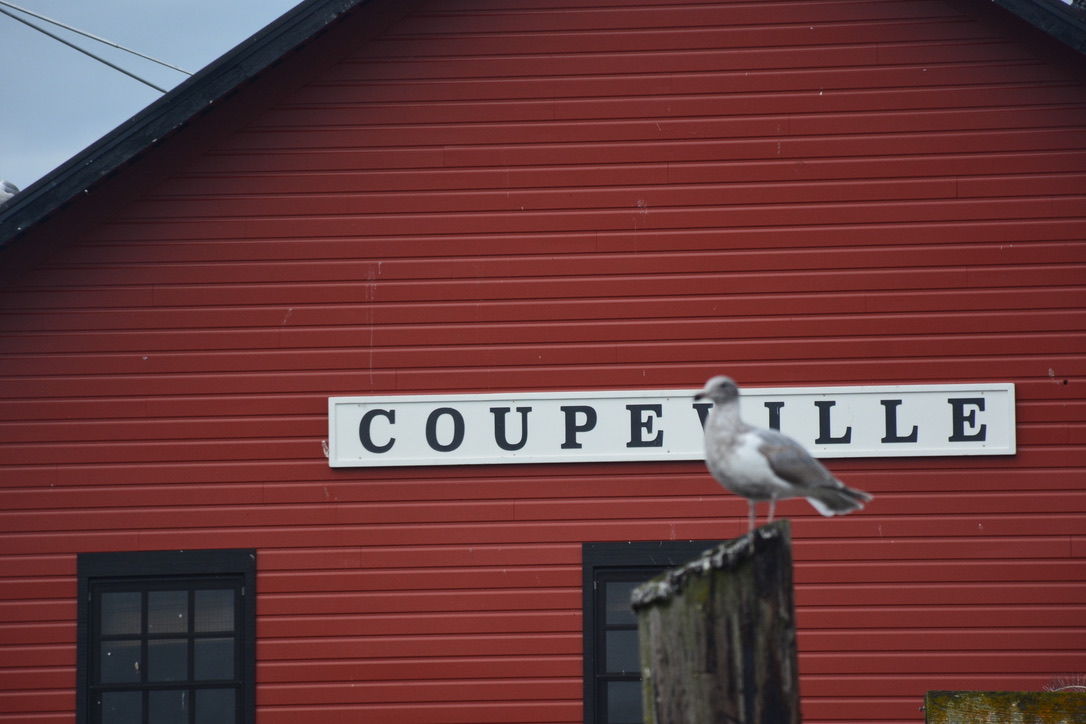
The story of the small town of Coupeville on Whidbey Island mirrors a narrative I have encountered in other small towns. For centuries, members of Indigenous tribes visited the area where the town was eventually located for fishing, harvesting land crops, trading, and other purposes. When European explorers arrived, the indigenous people were curious. They welcomed a few settlers and established patterns of trading. Because their culture did not involve private ownership of land, at first, they didn’t understand the settlers’ setting of boundaries. Some conflict arose. People were killed. In addition to strange ways, the explorers and settlers brought strange diseases to the indigenous people. Fatalities were high. Populations were decimated. Eventually, treaties were forged, and people were forced to relocate, leading to the depletion of resources and dramatic lifestyle changes.
Meanwhile, the settlers formed communities and founded towns. They built churches, schools, and fraternal halls. Their homes clustered around the community.
I grew up in a small town in Montana that is located on the traditional lands of the Apsáalooke Nation, known as the Crow Tribe. They were allotted 38 million acres by the Fort Laramie Treaty in 1851. Then the Bozeman Trail crossed their land in 1865. In 1868, their land was reduced to eight million acres by the second Fort Laramie Treaty. Eventually, the railroad and settlers arrived. Our small town grew up. By the time I was born, settlers had been farming and ranching in the area for a couple of generations and were well established.
I served congregations in two communities in southwestern North Dakota that were on the land originally used for buffalo hunting by the Lakota people. After trappers, explorers, and eventually settlers began to arrive in the region, the United States undertook the systematic destruction of the buffalo herds in an attempt to control the Lakota people. The towns where I served were near the location of the last massive buffalo hunts. The railroad was slow to come to the area, and settlers didn’t arrive until after 1900. By then, the railroad company had already established the townsites as water stations for steam engines. Settlers arrived on the trains and were granted acreages from the land the federal government had seized from the Lakota people, whose territory was reduced through various treaties and government actions.
There are many other stories. The arrival of immigrants and their taking over land that had been the area of indigenous people is the story of each of my homes. I recognize the story of Coupeville. I also know how a small town can be a great place to live. Two thousand one hundred people are enough for some thriving businesses, a few medical services, a good school, and several churches. Add in a few attractions for tourists, and it works for the present generation of residents. In some cases, there is a mixture of settler and indigenous families that live together well. In Coupeville, the Point Elliot treaty established land ownership for settlers while retaining hunting, fishing, and native plant gathering rights for the Coast Salish tribes, who had visited the area for thousands of years before the settlers arrived.
Coupeville was officially established in 1910. During the Second World War, the area became part of the United States' defense systems, and Fort Ebey was established near the site of an earlier military fort, Fort Casey. The population, however, has never been large, and there are significant areas of undeveloped land. While most of the praise areas became established farms, the bluffs and coastal hills were left undeveloped. Those lands were, however, titled, and over the years, people with means have purchased tracts of land. Many have been developed into home sites with the clearing of old growth and heritage forests to provide views of the sea.

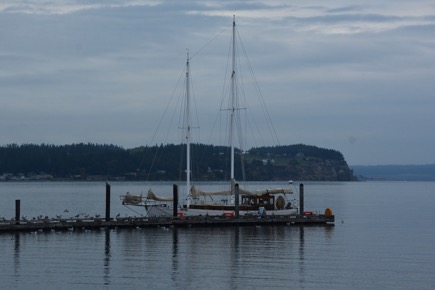
While there are familiar aspects as I learn the history of this region and many attractions in the small towns, there are also surprises and differences from other places I have lived. This is my first experience of living in a coastal location. The maritime history, including historic sailing vessels, has engaged me, and I have enjoyed reading about the captains and sailors who plied the waters of the Salish Sea and beyond.
Each small town has its own surprises. It’s worth exploring to discover them.